
Starting a business can feel overwhelming when you have no experience. Many first-time entrepreneurs assume they need a business degree, investors, or years of industry knowledge before they can begin. The truth is that most successful business owners started without knowing exactly what they were doing.
The key is to start small, learn quickly, and focus on solving a real problem.
Choose a Business Idea That Fits Your Skills
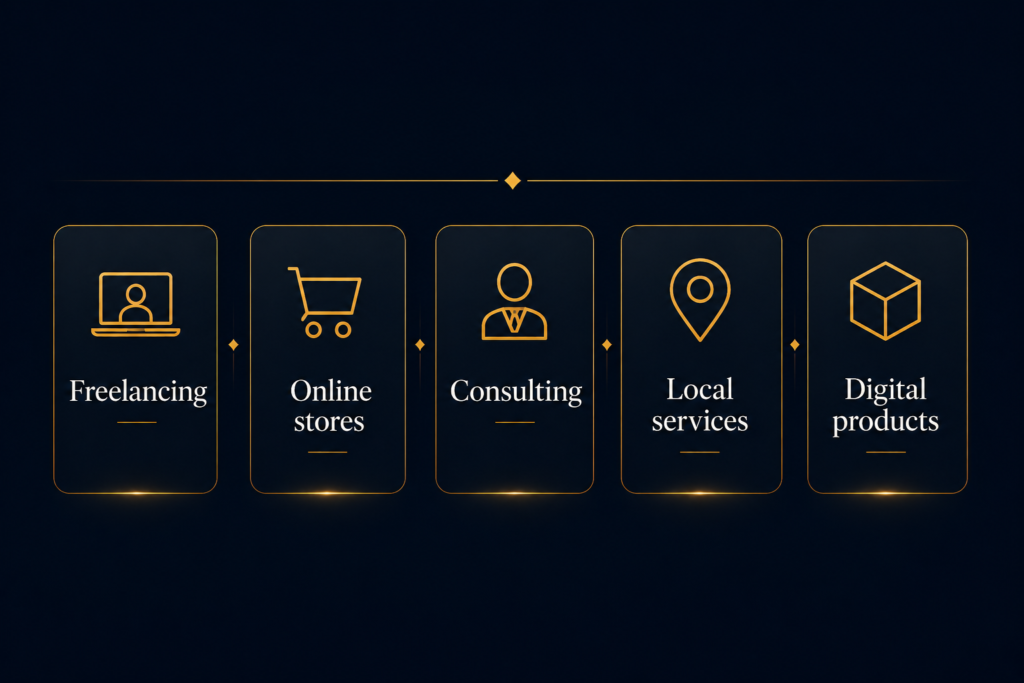
The first step is choosing a business idea that matches your skills or interests. You do not need a revolutionary concept. Many successful businesses are built around simple services or products that people already need.
Validate Your Business Idea
Once you have an idea, validate it before investing too much time or money. Talk to potential customers, ask questions in online communities, or create a simple landing page to measure interest. One of the biggest mistakes new entrepreneurs make is building something nobody wants.
Understand Your Target Customer
Next, focus on understanding your target customer.
- What problem are they trying to solve?
- What solutions are they already using?
- Why would they choose your business instead?
The better you understand your audience, the easier it becomes to market your business effectively.
Keep Startup Costs Low
You should also keep your startup costs low in the beginning. Many modern businesses can be launched with minimal investment using affordable online tools. Instead of trying to create a perfect business immediately, aim to create a simple version that allows you to test and improve your idea quickly.
Choose the Right Business Structure
Another important step is choosing the right business structure. Many beginners start as sole proprietors or form an LLC for liability protection. The right choice depends on your goals, income expectations, and location, but you do not need to overcomplicate this early on. If you want to learn a little more head on over to Legal Zoom.
Build Consistent Habits
As your business grows, focus on building consistent habits. Successful entrepreneurs spend time learning marketing, sales, customer service, and financial basics. You do not need to master everything at once. Experience comes from taking action and adjusting along the way.
Do Not Wait Until You Feel Ready
Fear of failure stops many people from starting, but waiting until you feel “ready” usually leads nowhere. Every business owner makes mistakes in the beginning. What matters is learning faster than you quit.
Need help turning your idea into a real business?
Try Ask Aston to brainstorm ideas, validate opportunities, create business plans, and get step-by-step guidance tailored to your goals.