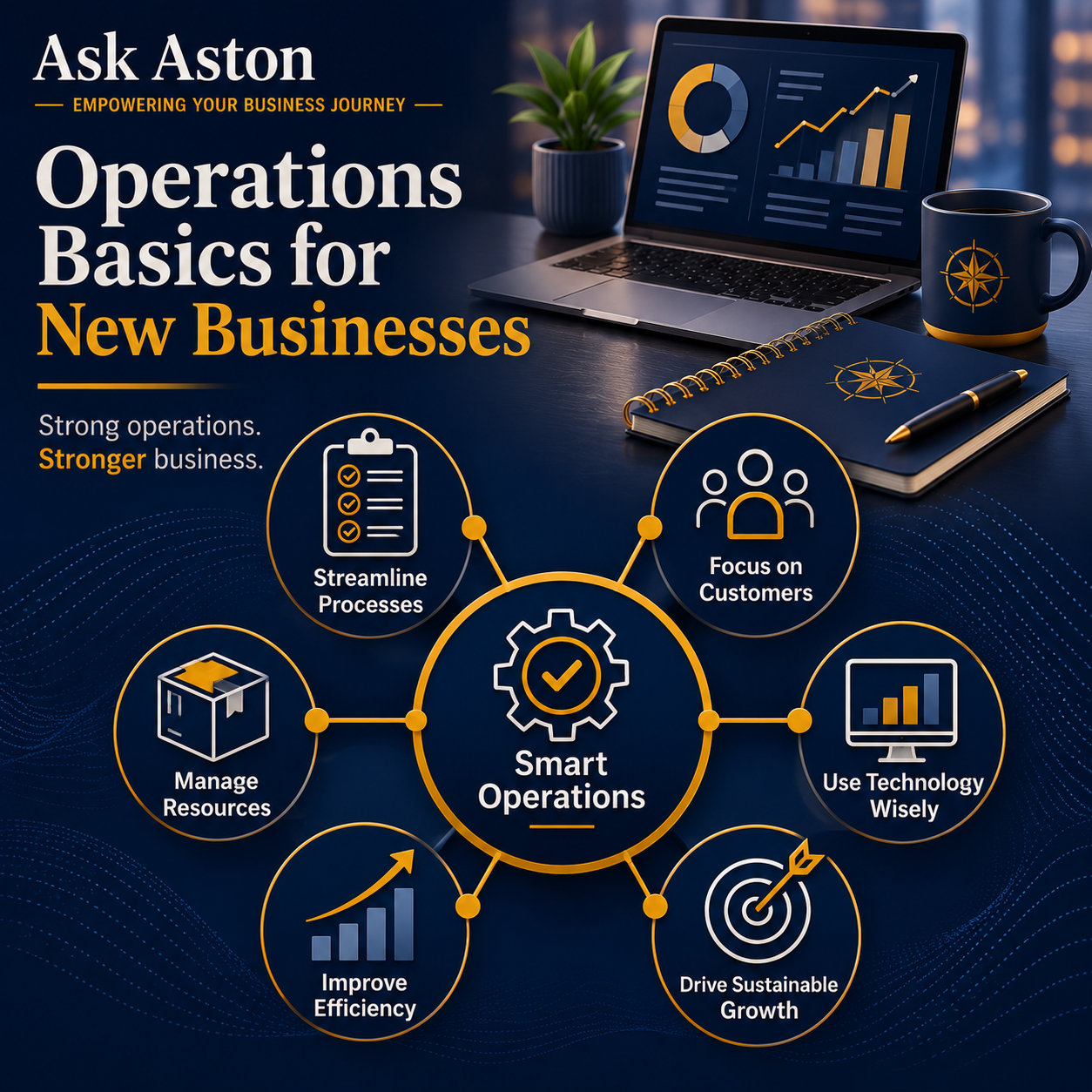
Every successful business depends on strong operations. While marketing attracts customers and sales generate revenue, operations keep everything running smoothly behind the scenes. Effective operations help you deliver products on time, provide excellent customer service, and manage your resources wisely.
Many first-time entrepreneurs focus on launching their business but spend little time planning how it will operate each day. As a result, they often encounter avoidable problems that slow growth and frustrate customers.
By understanding the basics of business operations, you can create efficient systems that support long-term success.
Understand Your Daily Processes
Operations include every activity required to deliver your product or service. These activities may involve purchasing supplies, managing inventory, serving customers, processing orders, handling payments, and responding to questions.
Start by mapping your daily workflow from beginning to end. Think about each step a customer experiences, from placing an order to receiving the finished product or service.
When you understand your processes, you can identify delays, reduce mistakes, and improve efficiency.
Additionally, clear workflows make it easier to train employees as your business grows.
Create Simple Systems
Successful businesses rely on systems rather than memory. Instead of handling every task differently each day, develop repeatable processes that produce consistent results.
For example, create standard procedures for answering customer inquiries, processing orders, sending invoices, and following up after a sale.
Simple checklists and written procedures can help prevent errors while saving valuable time. They also ensure customers receive the same high-quality experience every time they interact with your business.
The more organized your systems become, the easier it is to scale your business. For further reading on creating business systems, check out the linked article.
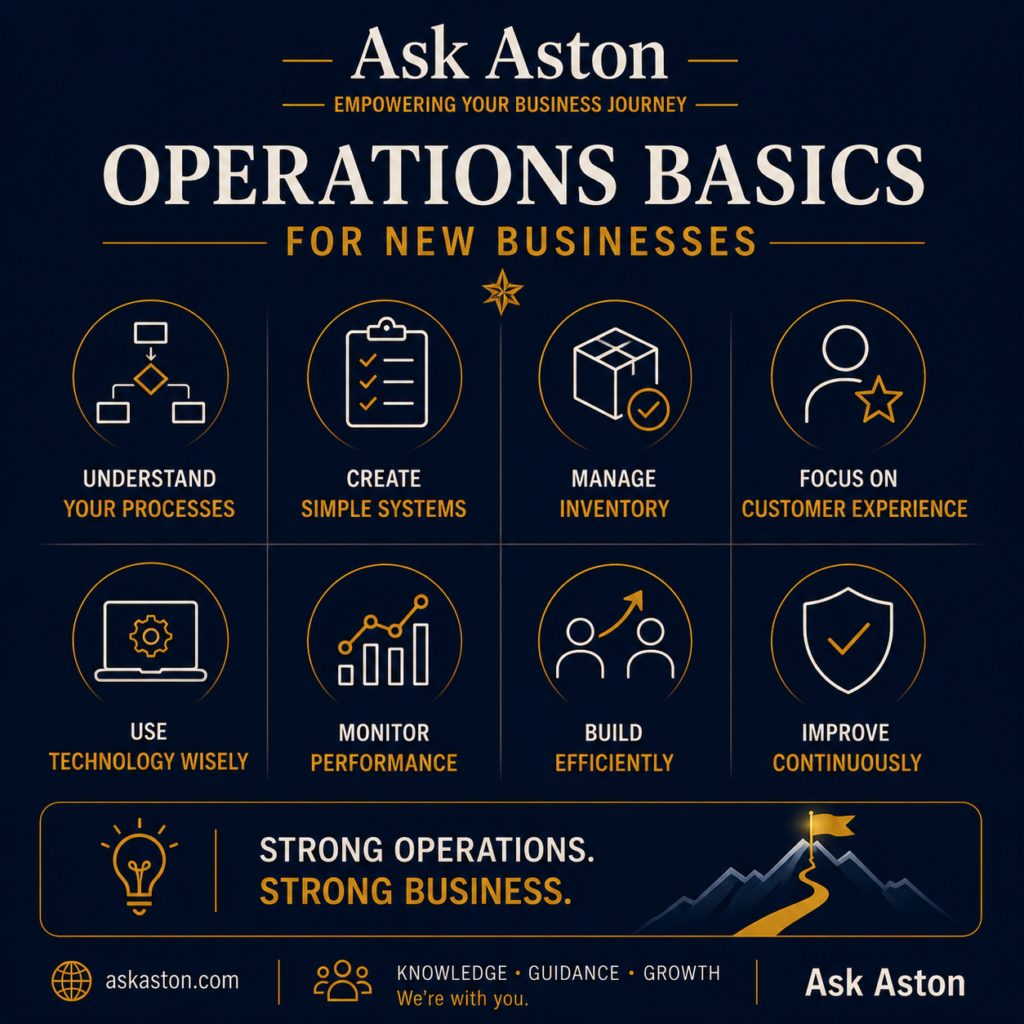
Manage Inventory and Supplies
If your business sells products, inventory management plays an important role in daily operations. Too much inventory ties up cash, while too little inventory can lead to missed sales and disappointed customers.
Track your inventory regularly and monitor which products sell the fastest. Likewise, maintain relationships with reliable suppliers so you can replenish stock when needed.
Even service-based businesses should manage supplies carefully. Office materials, equipment, and software subscriptions all contribute to operating costs and should be reviewed regularly.
Good inventory management helps improve cash flow and customer satisfaction.
Focus on Customer Experience
Operations are not only about internal processes. They also shape the customer experience.
Respond to inquiries promptly, communicate clearly, and deliver products or services as promised. Small improvements in customer service often lead to stronger reviews, repeat business, and valuable referrals.
Additionally, ask customers for feedback after completing a project or sale. Their suggestions can reveal opportunities to improve your operations and strengthen your business.
Consistent service builds trust and encourages long-term customer relationships.
Use Technology Wisely
Technology can simplify many operational tasks. Accounting software, customer relationship management (CRM) systems, scheduling tools, and inventory management platforms reduce manual work while improving accuracy.
However, avoid purchasing every available software program. Instead, choose tools that solve specific problems and support your current stage of growth.
As your business expands, you can add more advanced technology to improve efficiency and productivity.
The goal is to make your operations easier, not more complicated. For more information on technology and tools to support business, click the linked article.
Monitor Performance Regularly
Strong operations require regular review. Track important measurements such as order completion times, customer satisfaction, operating costs, and sales performance.
Reviewing these numbers helps you identify trends before they become larger problems. For example, increasing delivery times or rising expenses may indicate that your processes need improvement.
Likewise, celebrate operational successes and continue refining the systems that work well.
Small improvements made consistently can produce significant results over time.
Build a Business That Runs Efficiently
Strong operations provide the foundation for every successful business. By creating organized systems, managing resources wisely, using technology effectively, and focusing on customer satisfaction, you can build a business that operates smoothly and grows with confidence.
Remember that great operations are not built overnight. They improve through planning, consistency, and a commitment to continuous improvement.
At AskAston, we help first-time entrepreneurs build launch-ready businesses with practical strategies for every stage of growth. Strong operations allow you to spend less time solving problems and more time serving customers and expanding your business.
Try Ask Aston to brainstorm ideas, validate opportunities, create business plans, and get step-by-step guidance tailored to your goals.